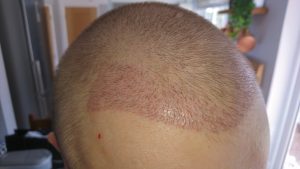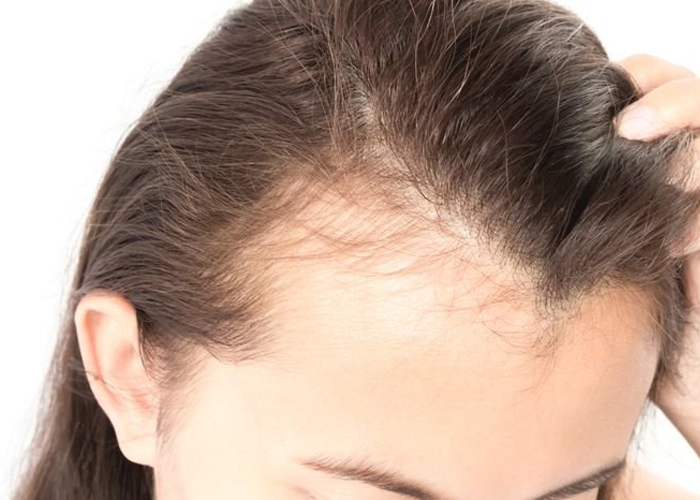

Are you experiencing hair thinning due to diabetes? There’s a reason for this, which I plan to investigate in depth. I will also discuss the possibility of your hair regrowing after you have successfully managed your diabetes.
If you manage your diabetes, you can reverse hair loss. High blood sugar levels are the cause of hair loss. The hair follicles need a healthy blood supply, but high blood sugar levels can cause veins and capillaries to become blocked.
Will hair loss from diabetes grow back?
Being diagnosed with diabetes is a scary proposition for most people, and the thought of losing your hair compounds the problem further.
Diabetes is a hormone condition where you become sensitive to insulin, and insulin no longer does its job allowing blood sugars to elevate.
In some cases, elevated blood sugars can cause hair loss. The hair loss follows male pattern baldness. This is due to a hormone imbalance.
If you can address the core issues of diabetes, the reversal process can be rapid, and your hair will start to regrow.
In some cases where diabetes has been a long term illness, it will be unlikely for your hair to resume growth. The high sugar levels have possibly damaged the follicle.
However, if you can balance your hormones and reduce the sugar and glucose levels in your blood, there is a distinct possibility your hair will regrow.
How do you stop hair loss from diabetes?
Reduce sugar
Reducing your sugar intake will help manage your diabetes and restore your hair growth. Realise that it’s not just raw sugar intake. It’s about controlling carbs.
As a general rule, while cooking, if it’s white, don’t eat it, except cauliflower and a few other veggies.
Cut out pasta and rice; these carbs turn directly into sugar once metabolised. Bread is a big no; even whole grains can cause sugar spikes and reduce the oxygen flow to your hair follicles.
Try to adopt a Keto diet, it’s easy to do, and the results are outstanding, and you will see your hair growing in a short time.
Reduce Stress
Stress is a significant issue, and a direct cause of hair loss, Stress with diabetes can wreak havoc on your hair. Not many of you realise that when the stress hormone cortisol is surging through our veins, it temporarily reduces the effectiveness of your immune system.
The stress hormone cortisol turns off some T-cells allowing your autoimmune system to start attacking your body and, in particular, your hair follicles.
Self Help
Start a regime of therapeutic therapies to help your overall sense of well being. Your diabetes journey may be extended, and you will need all of the help you can get to reverse the condition.
Eat well
Eating a well-balanced diet full of nutrients and vitamins is essential in triggering hair regrowth. Your hair needs a good blood supply rich in oxygen and nutrients to stimulate growth.
As part of your healthy Keto diet, include a large salad daily to ensure you get the nutrients needed for hair growth.
Consult a professional hair care specialist
Take some positive action. If you are experiencing hair loss, get some professional support and advice on the best ways to rejuvenate your hair to encourage regrowth.
Select shampoos and conditioners
Shampoos and conditioners can be full of harsh chemicals. Ditch these types of shampoos and treat your hair with some level of care.
Some expensive shampoos with anti-frizz and anti-tangle remedies may sound great, but they can leave a residue on the hair shaft and around the hair follicle, causing hair loss.
Workout
A workout can mean different things to many of us. Working out can be a fast way to encourage hair regrowth. A trip to the gym to pump iron is not required but would be perfect.
Walk briskly every day for thirty minutes. In conjunction with controlling your sugar intake, you will see the benefits quickly, and one benefit will be hair regrowth.
Can metformin reverse hair loss?
There is no direct link to metformin and reversing hair loss. However, you can read online stories of folks coming off metformin and having catastrophic hair loss. When metformin is reinstated, the hair grows back!
The consensus is that metformin causes hair loss and does not reverse it. One of the apparent reasons metformin causes hair loss is that it causes vitamin B12.
To overcome vitamin B12 deficiency, you will be advised to eat a diet rich in vitamin B12 or to have vitamin B12 shots to bypass the gut.
Now let’s talk about metformin topical cream for hair loss.
Having established that taking metformin to control diabetes may cause hair loss, we must look at metformin topical cream for alopecia.
Metformin topical cream has received excellent results in clinical trials where Minoxidil and other well-known hair rejuvenating treatments have failed to produce significant results.
A 10% mix of metformin with a carrier cream stimulates hair growth and reverses hair loss.
If you have alopecia, this could be the drug you were looking for, and Metformin topical cream outperformed the best-known mouses and creams traditionally prescribed for hair loss.
Applying metformin topically does not have the same side effects as taking metformin orally.
Does low blood sugar cause hair loss?
Having low blood sugars may suggest your food intake is insufficient and sufficient in nutrients.
It’s not the low blood sugars that are a significant concern for hair loss, but it could be a symptom of low iron.
If your iron levels are depleted due to a poor diet, you will start to lose hair in connection with low blood sugars.
Sugar gets a bad wrap in most cases. It is justified, but often we need a blast of energy, and a sugary drink or snack bar can do the trick.
But low blood sugars alone do not cause hair loss.
Conclusion
Lifestyle changes tend to be the best way to stop hair loss with diabetes. You would need to look into getting a hair transplant if you want your hairline back.
Remember to consultant with healthcare professionals. It’s incredibly important to work with a healthcare professional, such as an endocrinologist or trichologist, to determine the underlying cause of hair loss and develop an appropriate treatment plan, when it relates to diabetes.