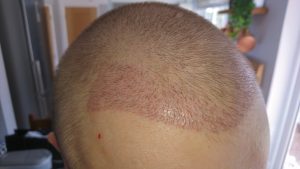
Getting a hair transplant when suffering from psoriasis could be possible, but it may require additional precautions.
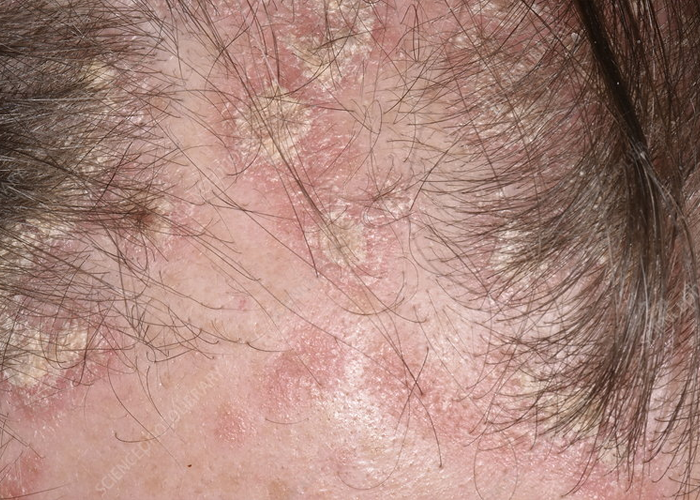
Psoriasis is a chronic skin condition characterized by red, scaly patches on the skin. It can also affect the scalp, causing itching, flaking, and hair loss. If you have psoriasis on your scalp, it is important to get it under control before undergoing a hair transplant.
It’s possible to get a hair transplant with psoriasis. But, psoriasis on scalp must be controlled before surgery. A specialist will advise. Follow post-op instructions to minimize risk of infection. Consult a qualified surgeon before making a decision.
A hair transplant surgeon will likely want to see that your psoriasis is well managed and stable before proceeding with the transplant. This may involve working closely with a dermatologist to treat the psoriasis, and ensuring that it is in remission before the surgery.
Additionally, during the healing process, it is important to follow the post-operative instructions provided by the hair transplant surgeon to minimize the risk of infection or other complications, especially if you have psoriasis.
It’s important to note that hair transplant surgery is a delicate procedure, and it’s best to consult with a qualified hair transplant surgeon who can evaluate your condition and determine if a hair transplant is the best option for you.
Can psoriasis patients do hair transplants?
Yes, you can. In most cases, hair transplants work well with patients with Psoriasis. If the Psoriasis is particularly inflamed, you may need other treatment to calm the Psoriasis before surgery can commence.
Your doctor may want you to have a course of treatment and use special shampoos to reduce a Psoriasis flare-up before and after hair transplant surgery.
One of the main difficulties with Psoriasis Koebnerization is exposure to sunlight. Now, hair transplants and sunlight do not go hand in hand, and you need to avoid sunlight wherever possible for at least six months after hair transplant surgery.
But, if you have Psoriasis, you will know sunlight can trigger developing inflammation and plaques on the scalp, part of the Koebnerization effect.
What is Koebnerization? Koeben was a dermatologist studying the triggers for Psoriasis outbreaks.
Specific skin injuries, including sunlight, can cause Psoriasis to flare up for no reason. Something as innocuous as a flea bite can have the same effect, and this is what’s known as Koebnerization.
So, in a nutshell, if your Psoriasis is under control, there is no reason you cannot proceed with a hair transplant and expect good results from the procedure.
Can you lose hair from psoriasis?
Yes. It’s an unfortunate fact that you can experience hair fall from psoriasis. However, it’s not all bad news. Once the psoriasis outbreak calms down, and the plaques fall away, the hair usually grows back. This is why having psoriasis does not exclude you from having a hair transplant surgery.
Find some natural remedies to treat psoriasis.
The problem with psoriasis is damn itchy, and the urge to scratch and feel some relief from the itching can be overwhelming.
Scratching your scalp and hair transplants are taboo in any society and will only result in the possibility of damaging the hair transplant, which inevitably causes a failure in regrowth.
What can you do to minimise the failure rate after a hair transplant
If you have psoriasis, then there are procedures you will need to follow to ensure the best possible outcome.
Hair transplants need a clean scalp. I’m not saying having psoriasis means you are not clean. But cleaning your scalp daily with special mild medicated shampoos is an absolute must.
After your hair transplant, you will not be able to comb and brush away the skin flakes for relief. Instead, you will need a gentle massage. Make sure in all cases your fingernails are short, making scratching less of a possibility.
Do not pick and remove scabs! While you are healing after hair transplant surgery, it is vital not to pick scabs. Picking scabs can dislodge the follicle damaging it irreparably.
There is good news for people with psoriasis who want a hair transplant. You will need to massage your scalp daily and as often as you wish with natural oils like almond oil to keep the scalp from drying out.
Gentle massaging does two things: it eases the urge to scratch and encourages a fresh blood supply to nourish the newly implanted hair follicle.
In conjunction with your hair transplant team, your dermatologist will advise on the best shampoos and conditioning oil to use on your scalp.
Unfortunately, you may have to skip light therapy if you use this method to calm your psoriasis. UV light can cause hair transplant to die in situ, and UV should be avoided at all costs.
What should you not do if you have scalp psoriasis?
Never let your scalp become dry. It is vital to use medicated shampoos and conditioners to keep moisture on your scalp preventing itching.
Picking and scratching bring instant relief to your scalp, but the truth is this is making the conditions worse as you introduce tiny lesions and wounds to your scalp.
Weather conditions can be your enemy. Arid cold conditions can cause psoriasis to flare up.
Cold weather causes most of the mixture to drop out of the air, so using a humidifier could be an additional benefit and offer relief to you.
Stress needs to be avoided. Psoriasis can be triggered by stress, so the less stress, the fewer psoriasis outbreaks.
Avoid alcohol; It’s thought that alcohol is a significant contributor to psoriasis flare-ups and should be avoided. If you need to drink alcohol, drink in moderation.
Certain foods trigger psoriasis and should be avoided; these include red meats, eggs, dairy products.
Avoid processed food like canned meats and sausages. If it’s not natural, don’t eat it.
There are some vegetables you need to avoid, Vegetables belonging to the nightshade family containing solanine like tomatoes, eggplants, potatoes and peppers.
These are all great tips to adhere to before a hair transplant surgery consultation. If your surgeon sees you can manage your psoriasis, he is likely to proceed with the surgery once the cost has been agreed upon.
Can you get a hair transplant if you have psoriasis?
It is not going to be straightforward for the recipient of the hair transplant. However, the hair transplant surgeon will agree if you can manage your psoriasis symptoms and keep flare-ups under control.
It is known that there is a high success rate of hair regrowth in patients who have psoriasis. Providing the patient with the willpower to follow the post-operative protocols is not much different from any other patient receiving a hair transplant.
The answer to the question is a resounding yes!