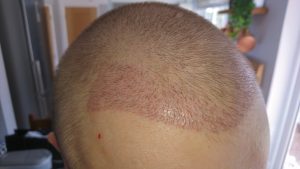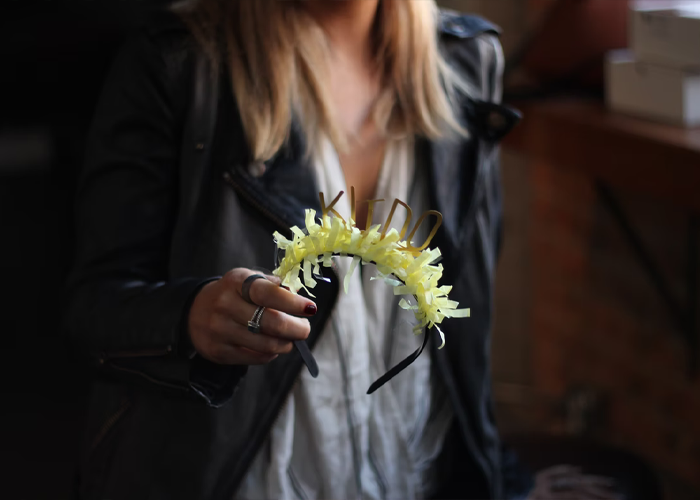

Wearing a headband or a similar tight-fitting hair accessory could result in traction alopecia, a form of hair loss triggered by damage to the hair follicles from ongoing, consistent pressure exerted on the hair. This issue might arise when the headbands are worn too tightly or for long periods, which might place pressure on the hair follicles, leading to hair thinning.
Hairbands can damage your hair causing hair loss. Traction alopecia is most commonly found around the hairline, where the headband or other tight hair accessory is worn. The hair loss caused by traction alopecia is usually permanent and may not grow back.
It’s important to note that hair loss can be caused by many factors, and wearing a headband may not be the sole cause of hair loss. However, if you are experiencing hair loss and you wear headbands or tight hair accessories regularly, it’s best to be cautious and try to avoid wearing them too tightly or for prolonged periods of time.
If you are experiencing hair loss, it’s always best to consult with a healthcare professional to determine the underlying cause and develop an appropriate treatment plan.
What happens if you wear a headband every day?
If you wear a headband daily, you could be setting yourself up for some hair loss, and some of that hair loss may not be reversible.
Hairbands that move around like plastic headbands cause a lot of damage if continually worn day in day out.
Cotton and fabric hairbands have a double impact. They can moisture from your hair, making you have a curly hairdo and making the hair brittle.
Here is the problem with headbands. They may look great and keep the hair off your face, but the truth is they cause friction. Friction and your hair don’t go together.
If you are wearing a hairband all day, every day, the friction generated by the slightest movement between your scalp and hairband is enough to cause hair loss.
This is known as tractional alopecia and, if not addressed, can cause significant hair loss.
Can you imagine your hairband moving all day, backwards and forwards, rubbing in the same area, fracturing the hair strands and before you know it, you have hair loss?
The problem can be even worse if the friction is on the scalp with tugging of the hair follicles can become inflamed and die off completely.
Suppose you imagine you have this friction all day. In that case, every day combined with a fabric headband wicking the moisture out of the hair, the problem becomes compounded and potentially more devastating than you would anticipate.
Will a tighter headband work better?
The problem with tighter headbands is that they tug on the hair, stressing the hair follicles and tearing hair from the roots that will never regrow again.
Breakages in your hairline are the last thing you need, so tight headbands are not the answer or the solution to a genuine problem.
Not to mention the headaches a tight headband can induce from the constant pressure and pulling the scalp. They can also cause muscle fatigue due to the forehead being stretched back.
How do you wear a headband without damaging your hair?
The first thing to ask yourself is why are you wearing a headband every day, all day? Is it a fashion statement?
The best way to wear headbands is intermittently to give your scalp a breather and just let it relax.
Don’t choose an overly tight hairband. It will cause headaches and place an enormous amount of strain and stress on your hair.
Don’t choose a loose-fitting plastic hairband. The hairband will continuously slide backwards and forwards, causing your hair to break off.
If you want to keep the hair out of your eyes while working, you could choose a sweatband and wear it partly on your forehead. It will stop stressing your hairline and feel quite comfortable to wear.
If you must wear a headband every day, you need to select a hairband that will be comfortable and not snap your hair off.
There are steel hairbands. I know what you will say, but hold on, They are perfect for customising. You can hot glue decorations on them and soft pads on the pressure points to keep you comfortable.
They slide around without snagging your hair and can look fantastic.
If a steel hairband is not your thing, then let’s talk about another way you can intervene and keep your hair from falling while wearing a hairband every day.
Shampoo and essential
Shampooing and deep moisturising your hair with a good conditioner can make all the difference if you wear a hairband every day.
Adding moisture to your hair will reduce the effects of friction on your hair resulting in fewer breakages throughout the day.
Keeping the scalp clean will prevent the likelihood of an infection setting in from inflamed hair follicles caused by traction alopecia.
Do elastic headbands cause hair loss?
Yes. Elastic hair bands are possibly the worst type of hairband to use every day, all day. The problem is the elastic grips and snag individual hairs causing the hairs to break or, worse, be pulled out from the roots.
They are often very tight, and although it seems as if they should work fine as your hair is laying flat, the elastic hairband can cause untold damage to the hair and hair follicles.
If you must wear an elastic hairband and wear it loose, it’s still going to snag your hair and pull and tug, but hopefully, it will reduce the stress of the hair follicle.
If your elastic hairband is on your ponytail, then you can expect some chafing and hair breakage.
If you tie your hair in a ponytail and use an elastic band to keep it tight, get someone to check the length of the hair. You can guarantee if this is done daily, you can guarantee that the hairs are broken and all different lengths.
Can wearing a headband cause hair loss
You bet it can. But the truth is it’s rare for damaged hair not to grow back after a while soi unless you are witnessing massive amounts of hair loss, then you can consider it safe.
You can mitigate the hair loss by not wearing the hairband all day, giving your scalp a rest. Moisturise your hair with deep conditioning and even add some all-natural Almond oil.
Almond oil is excellent for the hair and contains vitamins and minerals to feed and energise your hair follicles.
Everything in moderation is the key to keeping your hair looking outstanding and intact.